


Along Came a Spider Review: Book & Movie

Along Came a Spider : Book Review
Along Came a Spider introduces readers to Alex Cross, who works as a detective and a psychologist. The story begins with a shocking kidnapping that shakes a wealthy neighborhood.
The writing stays simple, which helps the tense plot move at a quick pace. Patterson builds suspense through short chapters that end with small questions. These questions create a natural urge to keep turning pages.
The villain, Gary Soneji, brings a disturbing charm to the novel. His actions reveal a personality shaped by deep trauma and dangerous ambition. This creates a chilling effect that stays strong through the story.
The narrative balances emotional scenes with sharp investigative details. Cross manages his family duties while solving a dangerous case, creating a relatable contrast. The book uses psychological angles to expand the mystery.
Many chapters focus on Soneji’s thoughts, which adds tension to the investigation. Patterson tries to show how unpredictable human behavior can come under stress. This helps the book maintain a consistent mood of uncertainty. The pacing remains energetic from the first crime to the final confrontation.

Patterson also creates vivid descriptions of Washington, D.C. These details bring atmosphere to the story. The novel tries to explore themes like media pressure, public fear, and personal duty.
These ideas add depth to the fast-moving plot. The dialogue remains short and functional, which fits the thriller structure. Cross shows calm intelligence through his words and decisions. Soneji, however, uses unpredictable language that reflects his unstable mind. These contrasts help build strong tension between hero and villain.
The story also explores fear and manipulation. Soneji enjoys controlling situations, while Cross studies patterns to stop him. Their mental battle creates some of the book’s strongest moments.
The emotional stakes rise when Cross faces moral challenges. He constantly questions his decisions during the investigation. Patterson uses these moments to show Cross as a layered character.
The novel ends with a final twist that leaves a lasting impact. This twist adds extra shock without breaking the story’s logic.
In summary, Along Came a Spider works as a fast and gripping thriller. It blends psychology, suspense, and emotion in a clear and accessible way. The focus on character motives allows the novel to stay engaging from start to finish.
Review of the Film Along Came a Spider
The film Along Came a Spider adapts James Patterson’s thriller for the screen with a different sense of tone.
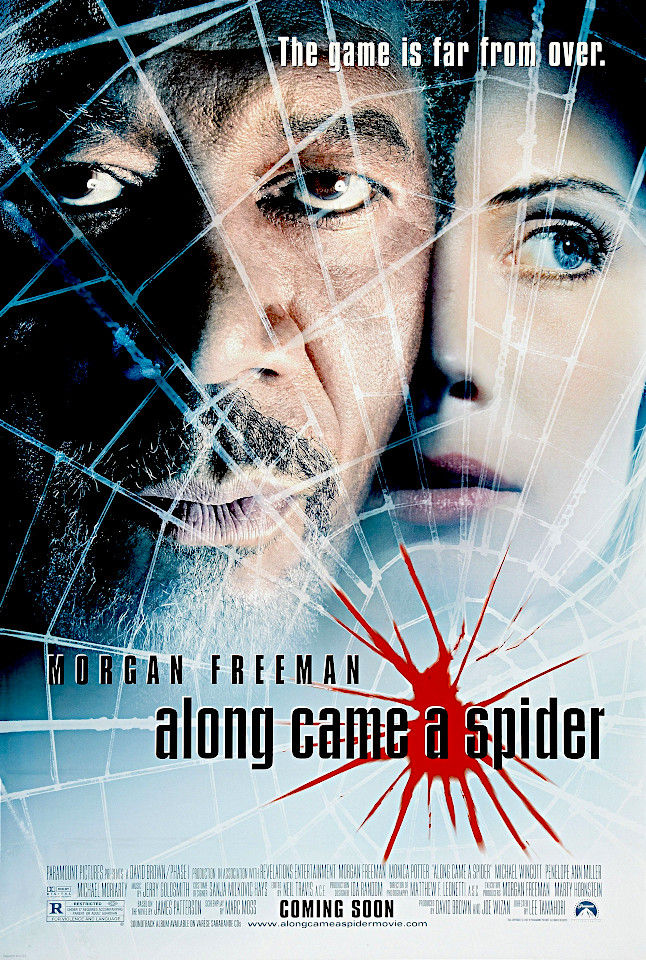
Morgan Freeman plays Alex Cross with calm confidence and controlled emotion. His performance gives the film a steady center. The movie begins with a dramatic crisis that sets a heavy mood. The kidnapping investigation unfolds through tense scenes filled with visual clues.
The pacing stays quick, though it sometimes shifts suddenly between action and reflection. The film uses strong shadows and controlled lighting to create suspense. These visual choices support the darker moments of the story.
The character of Soneji appears less complex than in the novel. The film shows his actions, but offers fewer moments inside his mind. This limits the psychological exploration found in the book. Still, the villain remains threatening through his deliberate movements and cold presence.
The movie compresses several plot threads, which creates a tighter narrative. Some events happen faster than expected, especially during the investigation. The editing focuses on tension rather than slow buildup. This gives the film a sharper but more straightforward approach to suspense.

The screenplay simplifies Cross’s family background. This choice shifts attention to the main case and the partnership with Secret Service agent Jezzie Flannigan. Their conversations help explain clues and motives. The film uses technology and crime scenes as tools to build mystery.
The musical score supports each intense moment with careful rhythm. These audio cues help guide emotional reactions during major scenes.
Several important twists appear during the final part of the movie. These twists follow a different structure than the novel. The film aims for quicker shock rather than layered psychology.
Some character motivations change slightly for cinematic impact. The ending becomes a dramatic, but streamlined version of the book’s resolution. The film succeeds in presenting a polished thriller with strong performances and tight scenes, although it sacrifices several complex elements. The atmosphere remains serious and controlled, creating a clear feeling of danger throughout the story.
Overall, the movie works as a compact and suspenseful crime thriller. It offers striking visuals, competent acting, and fast storytelling. It may not match the book’s depth, but it delivers a solid viewing experience.
Along Came a Spider - Comparison of the Novel and the Film
The novel and the film share the same basic plot, but they approach the story very differently. The book uses psychology as a driving force, while the movie focuses more on tension and cinematic speed.
Patterson spends many chapters exploring Soneji’s thoughts, which gives the villain a stronger presence. The film reduces this internal focus and chooses a cleaner and more direct portrayal. This change shifts the emotional weight of the narrative.
The book feels more intimate because readers spend time inside the characters’ minds. The movie feels more controlled because it relies on visuals instead of deep reflection.
Alex Cross also appears differently in each version. The novel shows him balancing family, work, and emotional pressure. This creates a layered portrait of a detective with personal stakes.
The film cuts several personal moments, giving Cross a more professional and calm appearance. Morgan Freeman’s performance adds quiet authority, but removes some internal conflict. Both portrayals work, but they create different emotional tones.
The structure of the mystery also changes. Patterson’s novel builds suspense through small clues spread across short chapters. The film compresses these clues into quick scenes. This makes the mystery easier to follow but less detailed.
Several subplots appear in the book but vanish in the movie. These cuts affect the story’s psychological complexity. The book’s twist comes from slow buildup, while the film’s twist comes from sudden revelation.
The character of Jezzie Flannigan undergoes major shifts between the two versions. The novel gives her a deep and conflicted role. The film changes key elements of her arc to create a simpler cinematic structure. These changes alter the emotional impact of the final twist.
The book’s ending feels darker because it focuses on betrayal and motive. The movie’s ending feels more direct because it aims for visual resolution.
The pacing differs as well. The novel uses steady progression with emphasis on analysis and emotional weight. The film uses faster cuts designed for suspense. This results in a sleeker, but less layered experience. Readers who enjoy psychological depth may prefer the book. Viewers who like sharp thrills may prefer the movie. Both versions deliver suspense, but they use different strengths to achieve it.
In summary, the novel offers complexity and psychological insight, while the film offers visual tension and swift storytelling. Together, they show how one story can transform depending on the medium.
Final Thoughts
Along Came a Spider works well in both formats, each delivering suspense in its own style. The novel explores psychology and character depth, while the movie focuses on momentum and atmosphere. Both versions provide strong entertainment, especially for fans of crime fiction.
If you enjoyed this Along Came a Spider Review, please leave a comment and share your thoughts!


Comments