


The Fellowship of the Ring Review: Novel vs Movie Comparison and Final Verdict

The Lord of the Rings: The Fellowship of the Ring begins in the peaceful Shire, where a simple ring is revealed to hold immense and dangerous power. Frodo Baggins is tasked with carrying the Ring away from his home to keep it from falling into evil hands.
Along the journey, he is joined by companions from different lands, forming the Fellowship. They face growing threats, internal doubts, and the weight of responsibility as darkness spreads across Middle-earth.
The story ends with the Fellowship divided, but the mission continuing, setting the stage for the greater conflict ahead.
Review of the Novel: The Fellowship of the Ring
The novel The Fellowship of the Ring opens the door to Middle-earth with patience, care, and remarkable detail. You begin in the peaceful Shire, where everyday comforts feel safe, familiar, and deliberately slow.
This calm beginning matters because it gives you a strong emotional contrast once danger enters the story. Tolkien writes with descriptive depth, and you often feel like you are walking beside the characters.
The world feels ancient, layered, and lived in, as if history existed long before the first page. You notice songs, legends, and conversations that enrich the setting rather than rushing the plot.
Frodo Baggins emerges as an unlikely hero, shaped more by responsibility than ambition or physical strength. You see courage grow quietly, like a habit formed under pressure rather than a sudden heroic choice.

The Ring itself feels less like an object and more like a constant emotional threat. Tolkien shows how power corrupts slowly, making temptation feel reasonable instead of dramatic. Supporting characters such as Gandalf, Aragorn, and Sam deepen the moral weight of the journey.
Each character represents a different response to fear, duty, and sacrifice. You may feel the pacing is slow at times, especially during travel-heavy chapters. However, this slowness allows you to absorb geography, culture, and emotional tension fully. The novel values atmosphere and meaning more than constant action.
By the time the Fellowship forms, you understand why unity is fragile but necessary. You are not rushed toward conflict, but gently pulled into it. The book rewards patience and careful reading, especially if you enjoy immersive fantasy storytelling. It sets a strong foundation for the larger journey ahead without relying on spectacle.
Review of the Movie: The Fellowship of the Ring, directed by Peter Jackson
The film adaptation of The Fellowship of the Ring translates Tolkien’s dense world into a visual experience. From the opening scenes, you are guided quickly into the central conflict. The movie uses sweeping landscapes and detailed sets to establish Middle-earth clearly and efficiently.
You immediately sense scale, danger, and urgency through music and cinematography. The Shire appears warm and welcoming, creating emotional contrast with darker regions. Performances remain grounded, especially in quieter moments between characters. Frodo’s internal struggle is shown through expressions rather than internal monologue.
You understand the burden of the Ring through visual tension and character reactions. The film simplifies complex lore to keep the story moving. Some details are removed or combined, which helps pacing but reduces depth.
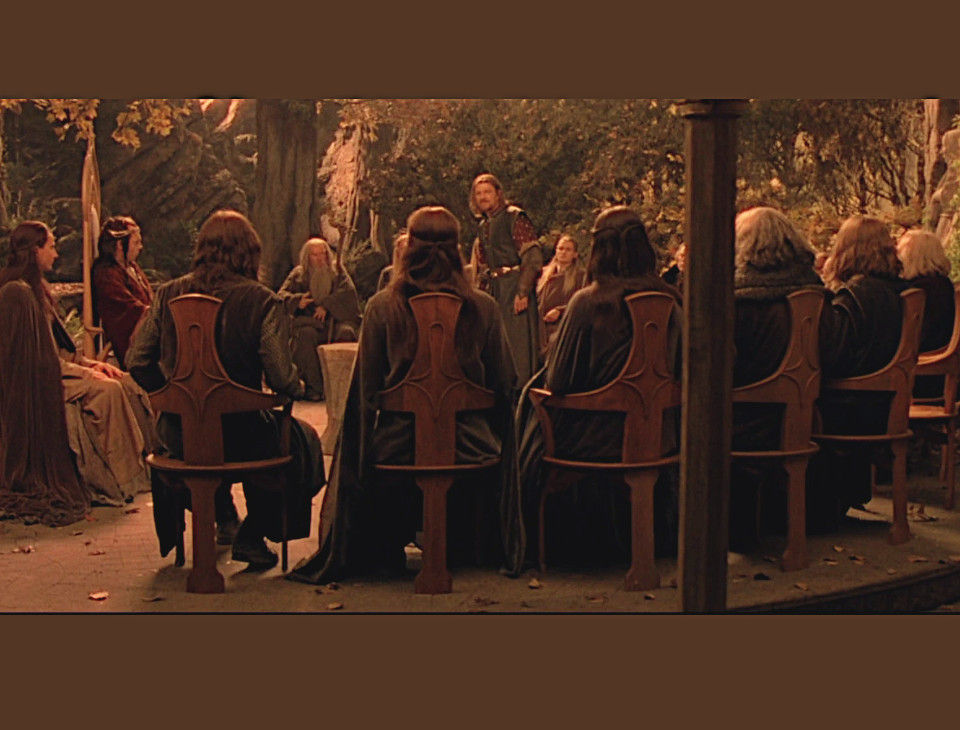
Action scenes are staged carefully, making danger feel real without overwhelming the story. The Fellowship’s formation feels faster than in the novel, but remains emotionally effective. Music plays a major role in shaping mood and guiding emotional responses. You feel wonder, fear, and hope through sound as much as visuals.
The film prioritizes clarity and momentum over quiet reflection. This makes the story more accessible to viewers unfamiliar with the book. You are rarely confused, even when the world expands quickly. The movie stands as a strong fantasy film with clear storytelling goals.
Comparison of the Novel and the Movie

When you compare the novel and the movie, the differences reflect the strengths of each medium. The novel focuses on depth, history, and gradual emotional development. You spend time understanding places, traditions, and inner thoughts.
The movie focuses on momentum, visual clarity, and emotional immediacy. You experience Middle-earth through landscapes rather than long descriptions. In the book, the journey feels heavier because time passes slowly. In the movie, the journey feels urgent because danger appears constant.
Characters such as Aragorn feel more mysterious in the novel. In the film, he feels more openly heroic and emotionally expressive. Tom Bombadil’s absence shows how the movie trims material to maintain focus.

The book allows moral themes to emerge quietly through repetition and reflection. The film highlights those themes through decisive moments and visual symbolism. You may prefer the book if you enjoy layered storytelling and patience. You may prefer the film if you value pace and cinematic emotion.
Neither version replaces the other fully. Instead, they offer two ways of experiencing the same story. The novel invites contemplation, while the movie invites immersion. Together, they strengthen appreciation for Tolkien’s world and its adaptability.
FAQ Section
Q1: Is The Fellowship of the Ring review (movie) faithful to the book?
The movie follows the main plot closely, but simplifies characters and removes some subplots for pacing.
Q2: Should you read the book before watching the movie?
You gain deeper world understanding from the book, but the movie also works well as an introduction.
Q3: Which is better, the novel or the movie?
The novel offers depth and detail, while the movie offers visual immersion and faster storytelling.
Final Thoughts
The Fellowship of the Ring succeeds as both a novel and a film for different reasons. You gain richness and meaning from the book, and clarity and momentum from the movie. If you read and watch both, your understanding of Middle-earth becomes deeper and more balanced.
Each version respects the core themes of friendship, sacrifice, and responsibility. You may find that returning to one enhances appreciation of the other. Both remain influential examples of fantasy storytelling done with care.
If you have read the book, watched the movie, or experienced both, leave a comment below. Share which version shaped your connection to Middle-earth the most.


Comments